
What Are You Looking For?
Every sleep mask brand knows it. No one talks about it.
The more a sleep mask blocks light, the hotter it gets.
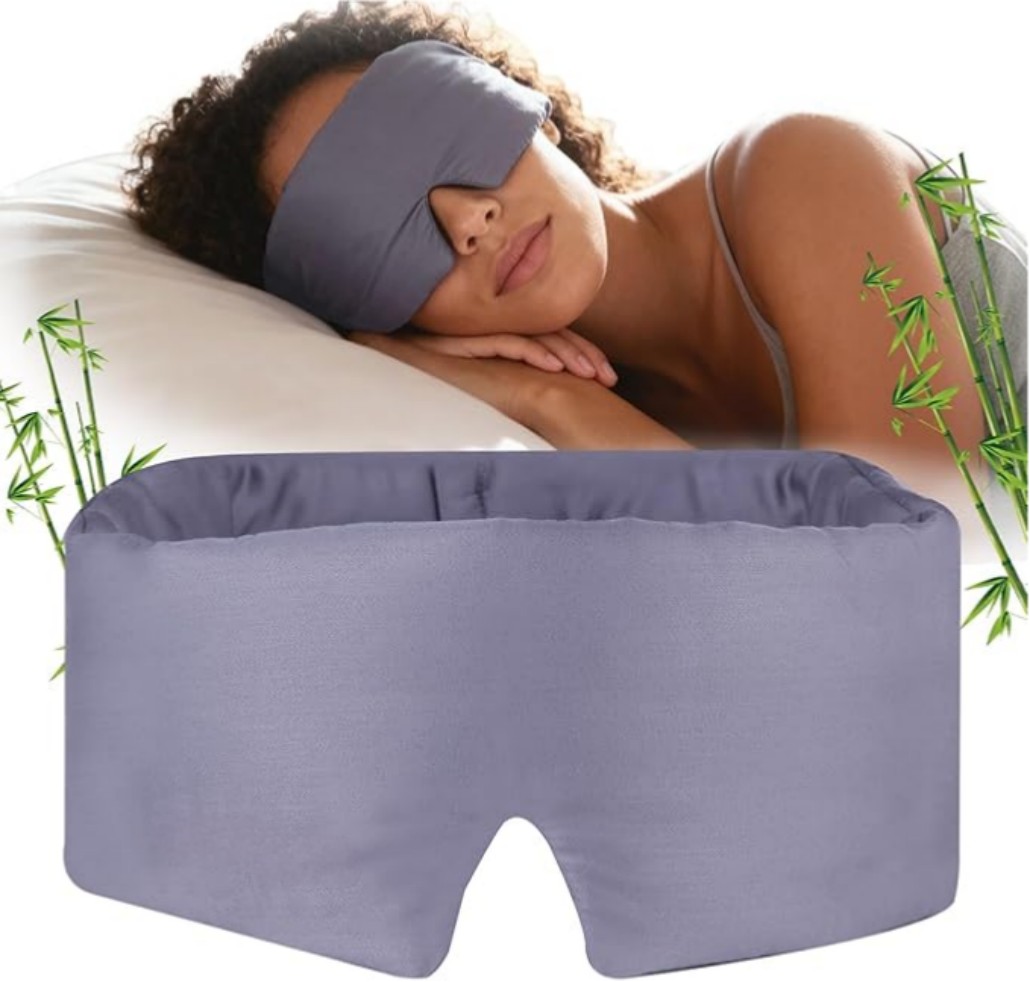
Memory foam traps heat. Silk feels luxurious but doesn't breathe. Silicone creates a seal against your face that turns into a sweat pocket by 2 AM. The entire category has been shipping the same tradeoff for years: better blackout, worse temperature. And the consumer review sections on Amazon and Reddit are full of people who figured this out the hard way.
This is not a sourcing problem. It's not a materials problem. It's a thinking problem — the category has been optimizing for the wrong output.
We started there.
Before we developed this product, we mapped every existing solution and asked one question about each: what problem does this product create while it's solving a different one?
Here's what we found:
Every single brand solved one dimension and introduced a new problem in the process.
More importantly: no brand had ever solved all four dimensions at once — 3D zero-eye-pressure structure, passive full-night cooling, premium silk skin contact, and side-sleeper stability.
That gap is not an accident. It's a capability gap. The brands who could design the form didn't have the cooling supply chain. The brands who had cooling technology didn't have the 3D tooling. The brands with silk sourcing didn't have either.
We did. So we built it.
We operate on a principle that runs counter to how most factories think:
Successful products are not created in factories. They are discovered through market insight, defined through consumer understanding, validated through small-batch testing, and scaled through integrated supply chains.
This product is a direct expression of that process.
We didn't read a market research PDF and decide cooling sleep masks were a growth category. We read what actual users wrote when they were frustrated. We looked at the pattern across Reddit r/sleep, Wirecutter reviews, and Consumer Reports: the complaint wasn't about any single product. It was structural.
The exact quote that anchored our thinking came from a Nidra review published in 2026:
"2026 buyers won't accept 'cooling gel' claims without data."
Consumers aren't rejecting cooling. They're rejecting unverifiable cooling claims — because they've been burned too many times by products that felt cold for 90 seconds and then became a warm, sealed cocoon.
Hot tags :


 IPv6 network supported.