
What Are You Looking For?
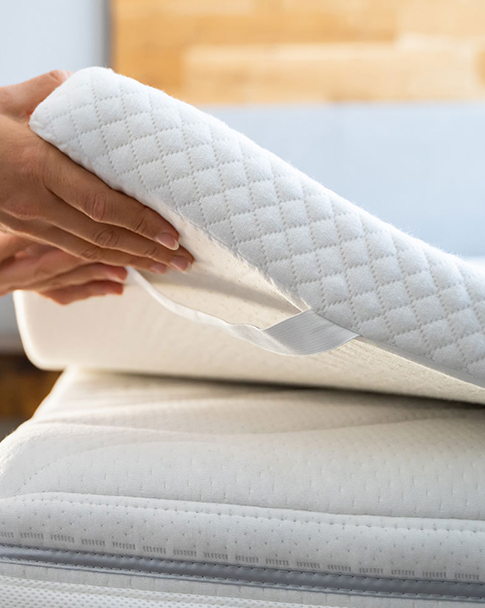
Consumers increasingly look for pillows that combine plush comfort, a refreshing surface feel, and easy everyday care. For bedding brands, a fluffy cooling pillow offers an opportunity to bring these features together in one differentiated product.
But what makes a pillow look fluffy, feel soft, and maintain its shape? The answer lies in the combination of fabric, filling, quilting structure, and product construction.
A fluffy cooling pillow combines a voluminous, cushioned appearance with a fabric surface designed to feel cool to the touch.
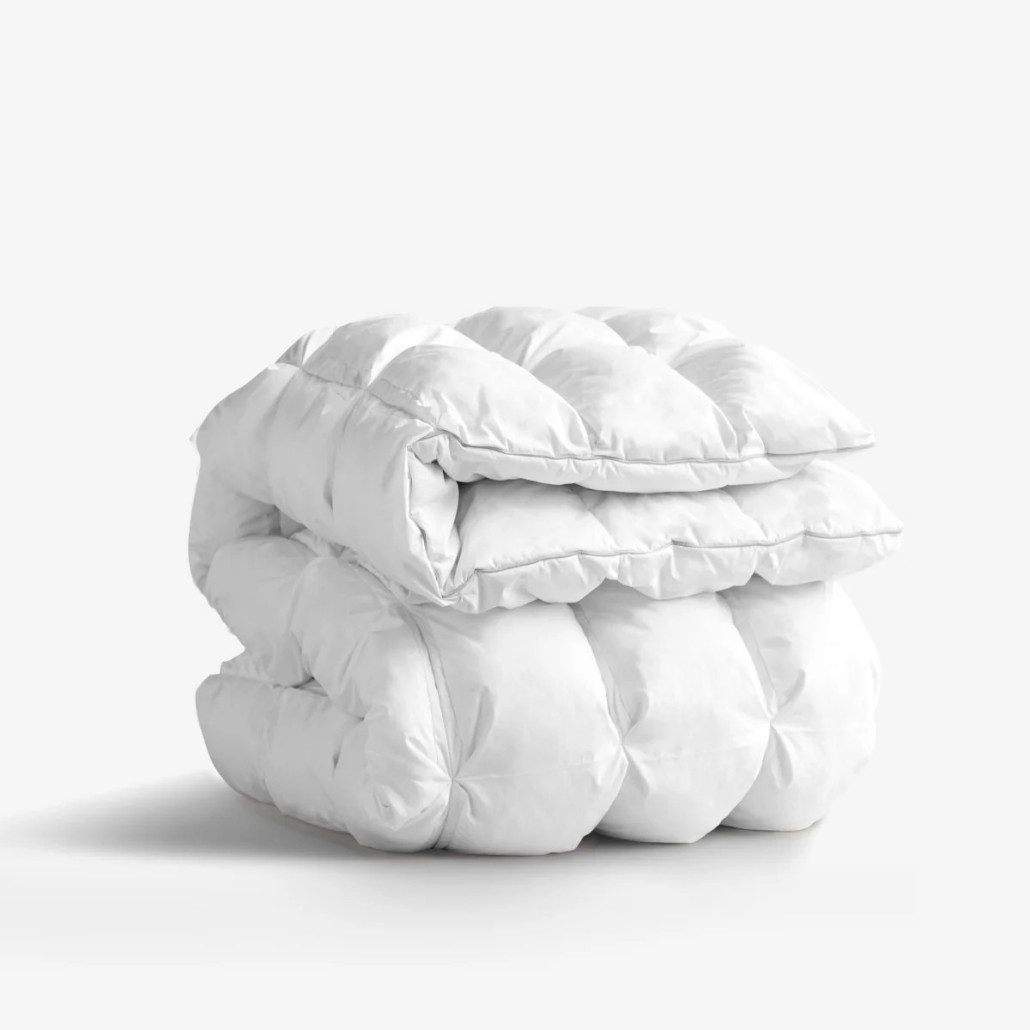
Unlike a conventional flat pillow, a puff-style pillow may use a quilted grid structure to create a three-dimensional appearance. The result is a distinctive product that combines visual appeal with a soft, cushioned feel.
For brands, this design can help create a recognizable product identity in a competitive bedding market.
Quilted grid construction divides the pillow surface into individual sections, creating a raised, puffed appearance.
Depending on the quilting pattern and internal construction, the design can help distribute filling across different sections and create a more consistent surface profile.
Grid size, stitching density, quilting depth, and filling volume should be evaluated together during product development.
Filling plays an important role in determining softness, loft, resilience, and overall weight.
Polyester microfiber filling is one option for brands seeking a lightweight, fluffy feel. Different fiber structures, filling weights, and layer combinations can produce different levels of softness and support.
A dual-layer filling concept may combine a softer upper layer with a more resilient base layer. However, the actual performance depends on the materials and construction used, so prototypes should be evaluated before making durability claims.
A cooling pillow may use a cool-to-the-touch fabric, a breathable construction, or other functional textile technologies.
For example, polyester-spandex fabrics can provide a smooth, stretchy surface. Specialized cooling finishes or engineered yarns may also be considered, depending on the product requirements.
It is important to distinguish an initial cool-touch sensation from sustained temperature regulation. Brands should select the appropriate material and validate any cooling claims through relevant testing.
For everyday bedding, convenient care can be an important product feature.
Depending on the materials and construction, some pillows can be designed for machine washing. Before making this claim, manufacturers should validate the recommended washing and drying process, including its effect on filling distribution, loft, seams, and fabric performance.
Clear care instructions help customers maintain the product properly.
A successful product development project should consider:
Outer fabric composition and hand feel
Quilting pattern and puff height
Filling type, weight, and resilience
Pillow dimensions and loft
Cooling performance requirements
Color and design options
Washability and care instructions
Branding and retail packaging
These elements should be developed as a complete system rather than selected independently.
Bedding brands can develop a differentiated pillow by following a structured process:
Consumer insight → Product concept → Fabric and filling selection → Prototype → Performance testing → Design refinement → Mass production
This approach helps brands move beyond copying an existing pillow shape and focus on the needs of their target customers.
A fluffy cooling pillow combines visual volume, a soft surface, functional fabric choices, and thoughtful filling construction.
For bedding brands, the opportunity lies in developing the right balance of comfort, appearance, performance, and care requirements for a specific market.
From material selection and quilting development to sampling and production, a well-defined development process helps turn consumer needs into differentiated bedding products.


 IPv6 network supported.