Ergonomic Neck Support Pillows

Ergonomic Memory Foam Pillow

Home

Ergonomic Memory Foam Pillow

  • How to Choose an Ergonomic Cervical Pillow: Design, Materials and Customization
    How to Choose an Ergonomic Cervical Pillow: Design, Materials and Customization
    Oct 09, 2026
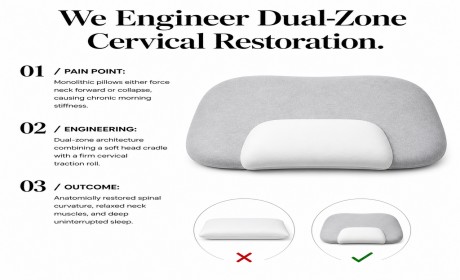
    How to Choose an Ergonomic Cervical Pillow: Design, Materials and Customization Choosing the right pillow involves more than softness. Consumers increasingly look for products that combine comfortable materials, supportive shapes, and flexible comfort options. For bedding brands, ergonomic cervical pillows offer an opportunity to develop products that stand out from traditional rectangular pillows. 1. What Is an Ergonomic Cervical Pillow? An ergonomic cervical pillow is designed with a contoured shape intended to support the head and neck during sleep. Unlike a conventional flat pillow, its profile can be developed to accommodate different head and neck positions. The shape, height, firmness, and foam density all influence how a pillow feels. These features should be evaluated together when developing a new product. 2. Why Does Pillow Shape Matter? Pillow geometry influences how the head rests and how the neck is supported. Contoured designs can include raised areas, curved edges, or different support zones. When developing an ergonomic pillow, brands should consider: Pillow height and contour depth Head and neck support areas Comfort preferences of side and back sleepers Foam density and resilience The relationship between pillow shape and mattress firmness Prototype testing with users can help determine whether a design provides the intended comfort and fit. 3. Memory Foam vs. Traditional Pillow Filling Memory foam is commonly used in ergonomic pillows because it can conform to pressure and provide a shaped support structure. Traditional fiber-filled pillows offer a different feel and may provide more flexibility in adjusting the fill. Neither material is ideal for every consumer. Brands should evaluate foam firmness, recovery, odor, durability, and performance after repeated use before finalizing a specification. 4. Why Offer Both Firm and Soft Sides? Consumers have different preferences for pillow firmness. A dual-sided design offers two comfort experiences within one product. A firmer side may appeal to customers who prefer a more structured feel, while a softer side may suit those who prefer a cushioned surface. For product developers, this concept can create a clear product story without requiring customers to purchase two separate pillows. The difference between the two sides should be noticeable and verified through product testing. 5. Is a Breathable, Washable Cover Important? The pillow cover affects the initial feel, skin contact, appearance, and care experience. When selecting a cover, brands should assess: Fabric softness and breathability Stretch and fit around the contoured foam Zipper placement and ease of removal Washing performance and dimensional stability Color, stitching, and branding options The care instructions should clearly distinguish between the cover and the foam core. Memory foam generally requires different care from a machine-washable textile cover. 6. How Can Bedding Brands Differentiate an Ergonomic Pillow? A successful product needs more than a familiar ergonomic shape. Brands can explore differentiation through: Alternative contour designs and pillow heights Different foam densities and firmness levels Dual-sided comfort constructions Premium or functional cover fabrics Size options for different target markets Customized packaging and private-label branding Consumer interviews, competitor reviews, prototype trials, and post-use feedback can help identify which features are most valuable to the intended audience. 7. From Consumer Insight to Commercial Product Developing a differentiated cervical pillow requires a structured process: Identify customer complaints and unmet comfort needs. Define the target user and intended product benefits. Select the pillow shape, foam, and cover materials. Build prototypes and test comfort, fit, and durability. Refine the design based on user feedback. Confirm quality standards and production consistency. This process helps brands move from a general product idea to a clearly defined, market-ready pillow. Conclusion An ergonomic cervical pillow combines product shape, material selection, and comfort design. For bedding brands, the opportunity lies in developing a product that addresses a specific consumer preference and communicates its value clearly. With OEM/ODM development, customized materials, contour designs, and private-label packaging, brands can build an ergonomic pillow range tailored to their target market.
    Read More

  • Butterfly Pillow vs. Traditional Pillow: How an Ergonomic Design Supports Different Sleep Positions
    Butterfly Pillow vs. Traditional Pillow: How an Ergonomic Design Supports Different Sleep Positions
    Oct 08, 2026
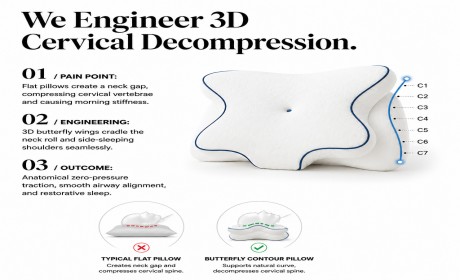
    Butterfly Pillow vs. Traditional Pillow: How an Ergonomic Design Supports Different Sleep Positions Choosing the right pillow is not simply about softness. Your sleeping position, head and neck alignment, pillow height, and support level can all affect your overall sleeping comfort. This is where the butterfly ergonomic pillow has become an interesting alternative to traditional rectangular pillows. What Is a Butterfly Pillow? A butterfly pillow is an ergonomically shaped pillow designed with contoured sections around the head, neck, shoulders, and arms. Unlike a traditional rectangular pillow, its butterfly-shaped structure creates different support zones. Some designs also use different pillow heights to give sleepers more flexibility when choosing their preferred support level. Why Does the Shape Matter? A traditional pillow generally provides one continuous surface. An ergonomic butterfly pillow can use multiple contours to create more targeted support. The central area supports the head, while the raised neck area helps provide additional neck support. The side sections can also create space around the shoulders and arms, which can be useful for side sleepers. The goal is not simply to make the pillow softer or firmer. It is to create a pillow structure that better matches different sleeping positions. Butterfly Pillow for Different Sleep Positions Side Sleepers Side sleepers often prefer a higher support area to help maintain a comfortable head and neck position. A contoured butterfly pillow can provide a higher side support zone while creating additional space around the shoulder area. Back Sleepers Back sleepers may prefer a lower profile with support around the neck and head. A dual-height design can give users more flexibility when choosing the side that feels most comfortable. Stomach Sleepers Stomach sleepers typically prefer a lower pillow profile. A contoured ergonomic design can provide a lower support option without requiring a traditional thick pillow. What Is the Advantage of Memory Foam? Memory foam is commonly used in ergonomic pillows because it can respond to body pressure and provide a supportive feel. When combined with an ergonomic shape, memory foam can help create differentiated support zones instead of relying on a flat pillow surface. Some designs also incorporate ventilation channels or perforations to improve airflow through the foam. What Should You Look for in a Butterfly Pillow? When choosing an ergonomic butterfly pillow, consider: Pillow height Neck support structure Shoulder clearance Memory foam density Breathability Cover material Removable and washable cover Suitable sleeping positions Available size options A good ergonomic pillow should match the user's sleeping habits rather than simply being marketed as "soft" or "firm." Butterfly Pillow vs. Traditional Pillow Feature Traditional Pillow Butterfly Ergonomic Pillow Shape Rectangular Contoured butterfly shape Support General support Zoned ergonomic support Height Usually one height Can offer multiple height options Shoulder Space Limited Designed with shoulder clearance Sleeping Positions General use Designed for different sleep positions Customization Basic Shape, height, foam and cover can be developed How Brands Can Develop a Better Butterfly Pillow For bedding brands, an ergonomic pillow is more than a new shape. Product development can involve foam density, pillow height, contour design, ventilation, cover fabric, packaging, and target sleeping positions. Different markets may also require different pillow sizes, firmness levels, materials, and packaging concepts. This creates opportunities for brands to develop a butterfly pillow specifically around their target customers instead of selling a generic pillow. From Consumer Needs to Pillow Innovation A successful ergonomic pillow starts with understanding the problem consumers are trying to solve. For example: Sleeping position → Consumer comfort needs → Pillow structure → Material selection → Prototype → User testing → Product refinement This process helps turn a simple pillow concept into a differentiated bedding product. Final Thoughts A butterfly ergonomic pillow combines contoured design, targeted support, and flexible height options to create a different approach to traditional pillow construction. For consumers, the key is finding a design that matches their sleeping position and comfort preferences. For bedding brands, the opportunity is to develop the right combination of shape, material, support, and user experience for a specific market. If you are developing a new ergonomic pillow collection, the product should begin with the consumer need—not simply the shape of the pillow.
    Read More

leave a message

leave a message
If you are interested in our products and want to know more details,please leave a message here,we will reply you as soon as we can.
submit

Home

Products

WhatsApp

contact