Ergonomic Neck Support Pillows

cooling eye mask

Home

cooling eye mask

  • How to Choose the Best Sleep Mask: 3D Design, Cooling Fabric and Comfort Explained
    How to Choose the Best Sleep Mask: 3D Design, Cooling Fabric and Comfort Explained
    Oct 13, 2026
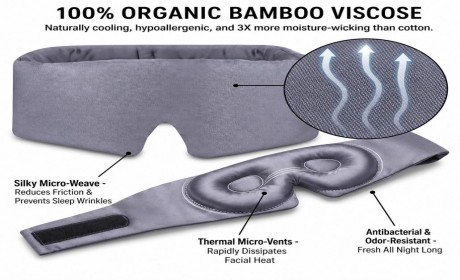
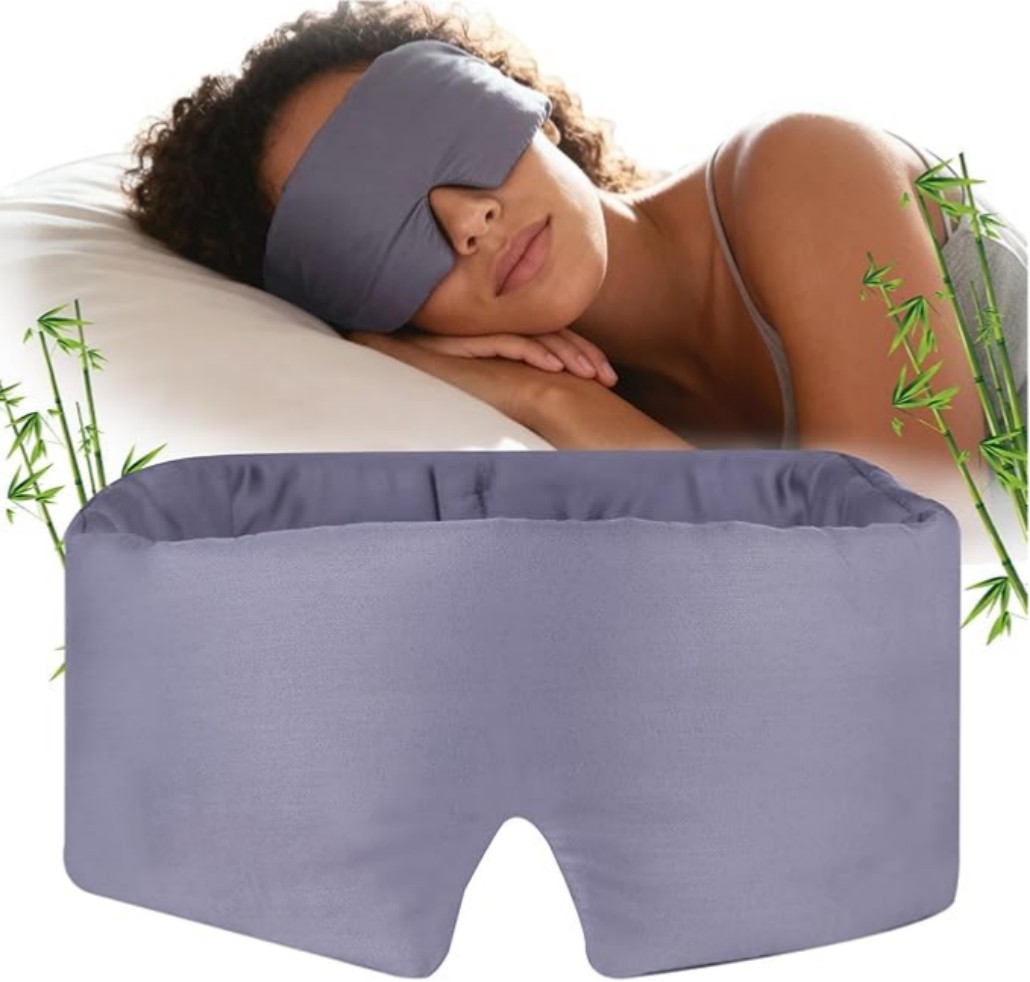
    How to Choose the Best Sleep Mask: 3D Design, Cooling Fabric and Comfort Explained A sleep mask may look like a simple accessory, but small design differences can greatly affect comfort. Fabric choice, eye space, breathability, and fit all influence whether a sleep mask feels comfortable during long periods of use. For people who travel frequently, sleep in bright environments, or simply want a more relaxing bedtime routine, choosing the right sleep mask can make a noticeable difference. 1. Why Is 3D Design Important for Sleep Masks? Traditional flat eye masks often press directly against the eyes and eyelashes. A 3D sleep mask uses a contoured structure that creates extra space around the eye area. This design helps reduce pressure and provides a more comfortable wearing experience. For users who wear eyelash extensions or prefer more eye freedom, a lash-friendly design can be an important feature. 2. What Makes Bamboo Fabric Suitable for Sleep Masks? Bamboo-based fabrics are often selected for sleep products because of their soft hand feel and breathable comfort. Compared with traditional fabrics, bamboo fabric can provide a smoother surface experience, making it suitable for products that stay close to the skin for extended periods. When developing a bamboo sleep mask, brands should consider: Fabric softness Breathability Stretch and fit Durability Care requirements 3. Why Do People Prefer Cooling Sleep Masks? Many consumers look for sleep products that feel refreshing and comfortable. A cooling sleep mask can create a pleasant cool-touch sensation through fabric selection or cooling textile technology. For hot sleepers and warm environments, breathable construction and moisture management are important factors when selecting sleep accessories. 4. What Features Should a Premium Sleep Mask Have? A well-designed sleep mask usually combines several features: Comfortable 3D eye space Soft skin-friendly fabric Effective light blocking Adjustable head strap Lightweight construction Easy-care materials The best design balances comfort, functionality, and everyday usability. 5. How Brands Develop a Custom Sleep Mask For sleep and wellness brands, creating a successful eye mask involves more than choosing a fabric. Product development may include: Consumer Needs → Design Concept → Fabric Selection → Prototype → Testing → Packaging → Production Brands can customize: Fabric materials Colors Logo Packaging Strap design Shape and dimensions Functional features This helps create a differentiated sleep product instead of a generic eye mask. Conclusion A bamboo cooling 3D sleep mask combines comfort, functional design, and premium materials to create a better relaxation experience. For consumers, the right sleep mask should provide comfort, fit, breathability, and light control. For brands, thoughtful product development creates opportunities to build unique sleep and wellness collections.
    Read More

  • We Don't Make Sleep Masks. We Solve the Problem No One in This Category Has Been Willing to Admit.
    We Don't Make Sleep Masks. We Solve the Problem No One in This Category Has Been Willing to Admit.
    Sep 01, 2026
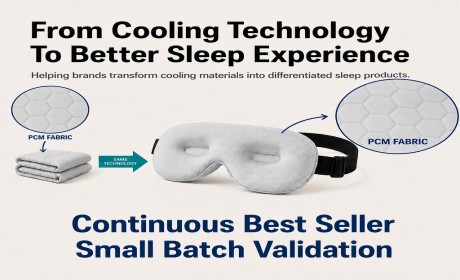
    The Category Had a Dirty Secret Every sleep mask brand knows it. No one talks about it. The more a sleep mask blocks light, the hotter it gets. Memory foam traps heat. Silk feels luxurious but doesn't breathe. Silicone creates a seal against your face that turns into a sweat pocket by 2 AM. The entire category has been shipping the same tradeoff for years: better blackout, worse temperature. And the consumer review sections on Amazon and Reddit are full of people who figured this out the hard way. This is not a sourcing problem. It's not a materials problem. It's a thinking problem — the category has been optimizing for the wrong output. We started there. We Don't Start with a Product. We Start with a Failure Map. Before we developed this product, we mapped every existing solution and asked one question about each: what problem does this product create while it's solving a different one? Here's what we found: Brand What It Solves What It Creates Manta PRO ($79) Zero eye pressure via 3D cup No cooling — seals warm air against your face Rest EverCool ($59) Contact-cooling surface Wraps around the eye (pressure) — cooling lasts minutes, then gone Manta COOL ($30–40) Active cooling via ceramic insert Requires freezing 2 hours prior; insert weight causes the mask to slide; cooling lasts 10–15 minutes TheraICE ($20–30) Gel cooling Requires refrigeration; heavy; designed for cold therapy, not sleep Mzoo 3D ($15–25) Basic 3D profile Memory foam shell absorbs and holds body heat Slip ($50+) Silk skin contact Flat profile — presses on eyes, light leaks at edges Every single brand solved one dimension and introduced a new problem in the process. More importantly: no brand had ever solved all four dimensions at once — 3D zero-eye-pressure structure, passive full-night cooling, premium silk skin contact, and side-sleeper stability. That gap is not an accident. It's a capability gap. The brands who could design the form didn't have the cooling supply chain. The brands who had cooling technology didn't have the 3D tooling. The brands with silk sourcing didn't have either. We did. So we built it. How We Think About Product Development We operate on a principle that runs counter to how most factories think: Successful products are not created in factories. They are discovered through market insight, defined through consumer understanding, validated through small-batch testing, and scaled through integrated supply chains. This product is a direct expression of that process. Step 1: We found the market gap through consumer language — not trend reports We didn't read a market research PDF and decide cooling sleep masks were a growth category. We read what actual users wrote when they were frustrated. We looked at the pattern across Reddit r/sleep, Wirecutter reviews, and Consumer Reports: the complaint wasn't about any single product. It was structural. The exact quote that anchored our thinking came from a Nidra review published in 2026: "2026 buyers won't accept 'cooling gel' claims without data." Consumers aren't rejecting cooling. They're rejecting unverifiable cooling claims — because they've been burned too many times by products that felt cold for 90 seconds and then became a warm, sealed cocoon.
    Read More

leave a message

leave a message
If you are interested in our products and want to know more details,please leave a message here,we will reply you as soon as we can.
submit

Home

Products

WhatsApp

contact